
Research notes,
lab methods,
compound profiles.
Editorial dispatches from the NZM research desk — receptor pharmacology, protocol-design notes, lab-method walkthroughs, and frontier-science explainers. Written for researchers, in plain language.
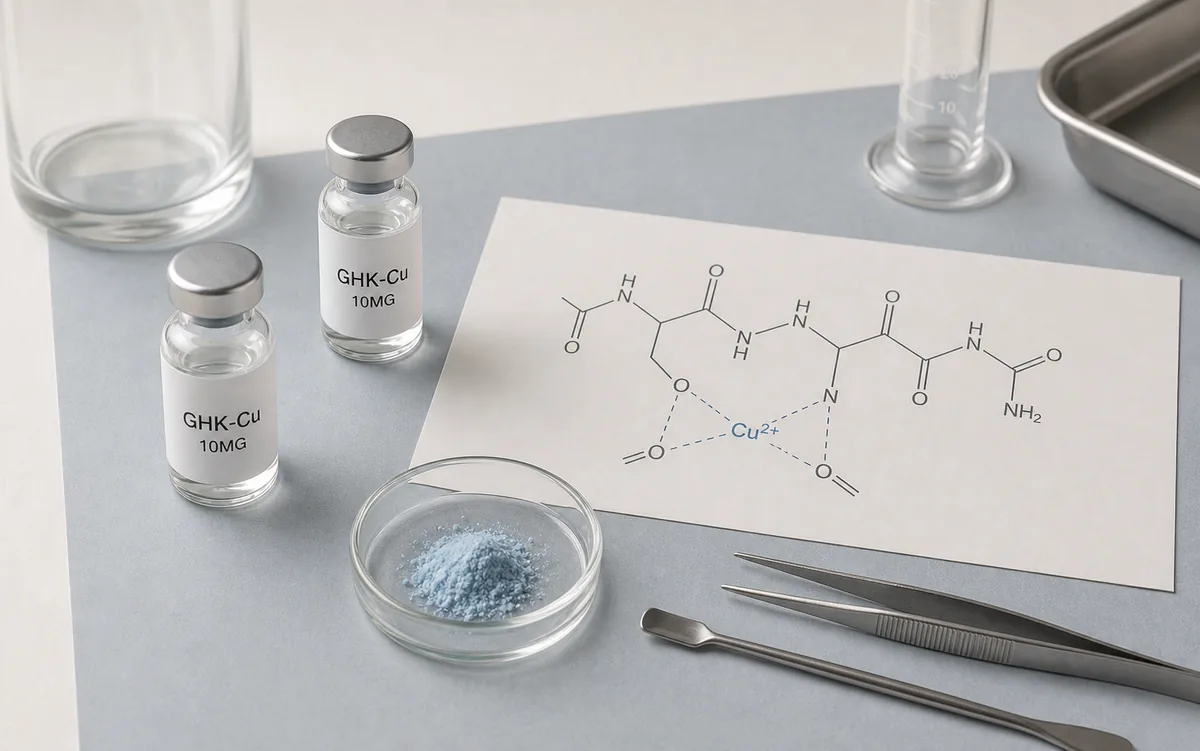
More from the desk.
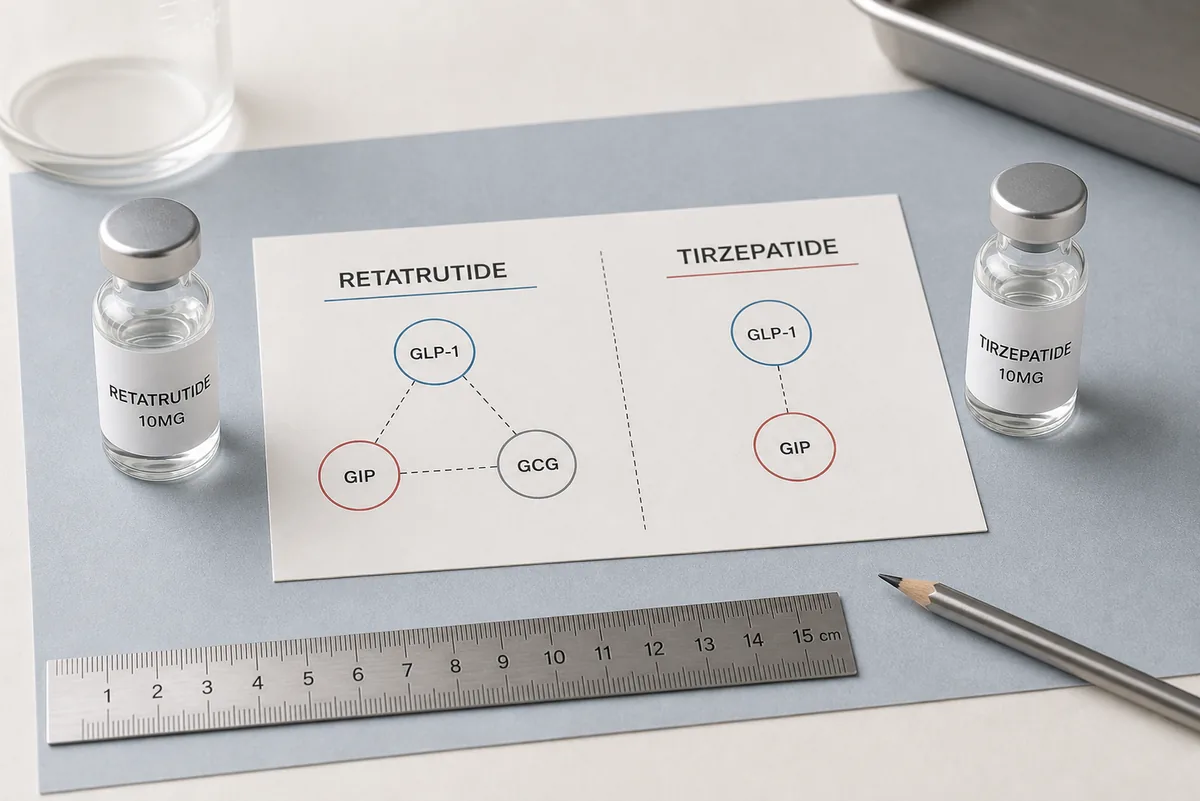
Retatrutide vs Tirzepatide: Triple-Agonist vs Dual-Agonist Mechanism
Both are incretin-mimetic research peptides, but they engage categorically different receptor combinations. The mechanism distinction is what determines which one suits a given protocol.
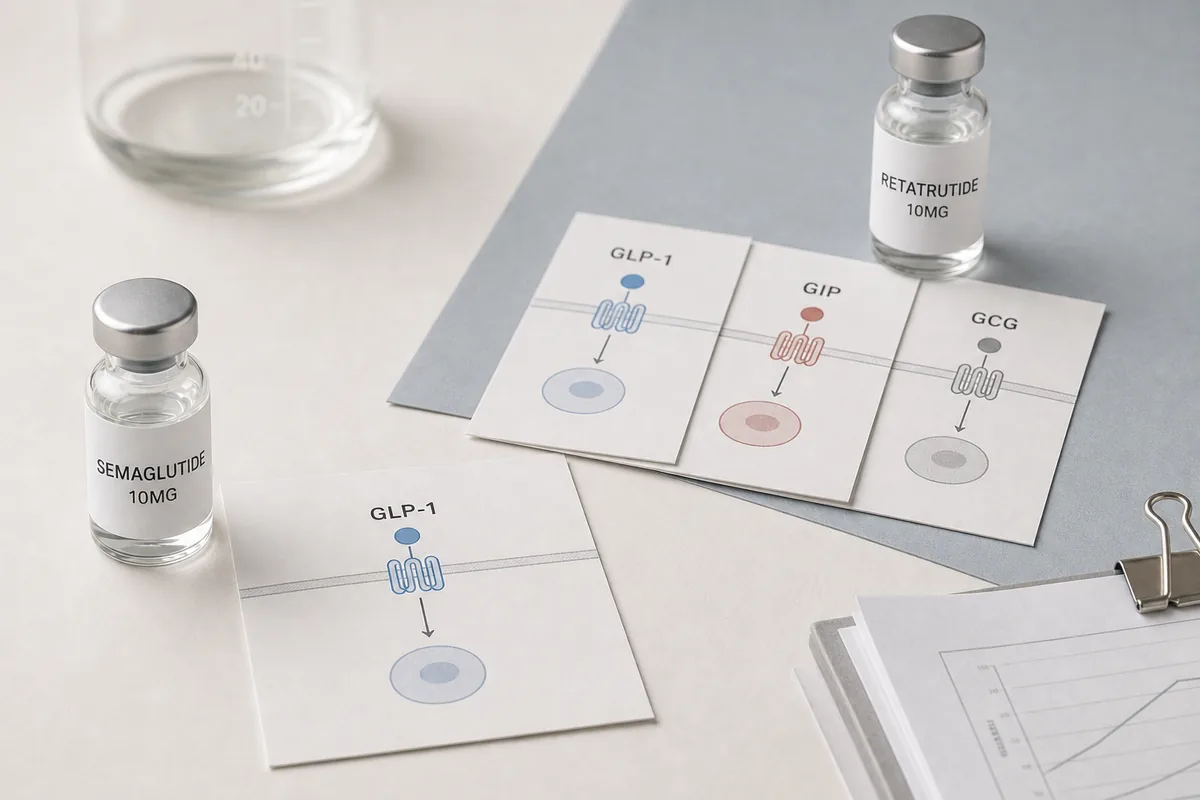
Retatrutide vs Semaglutide: Triple-Agonist vs Single-Pathway GLP-1
Semaglutide engages one receptor; Retatrutide engages three. The mechanism gap is wider than the family relationship suggests, and it changes what each compound is useful for in research.
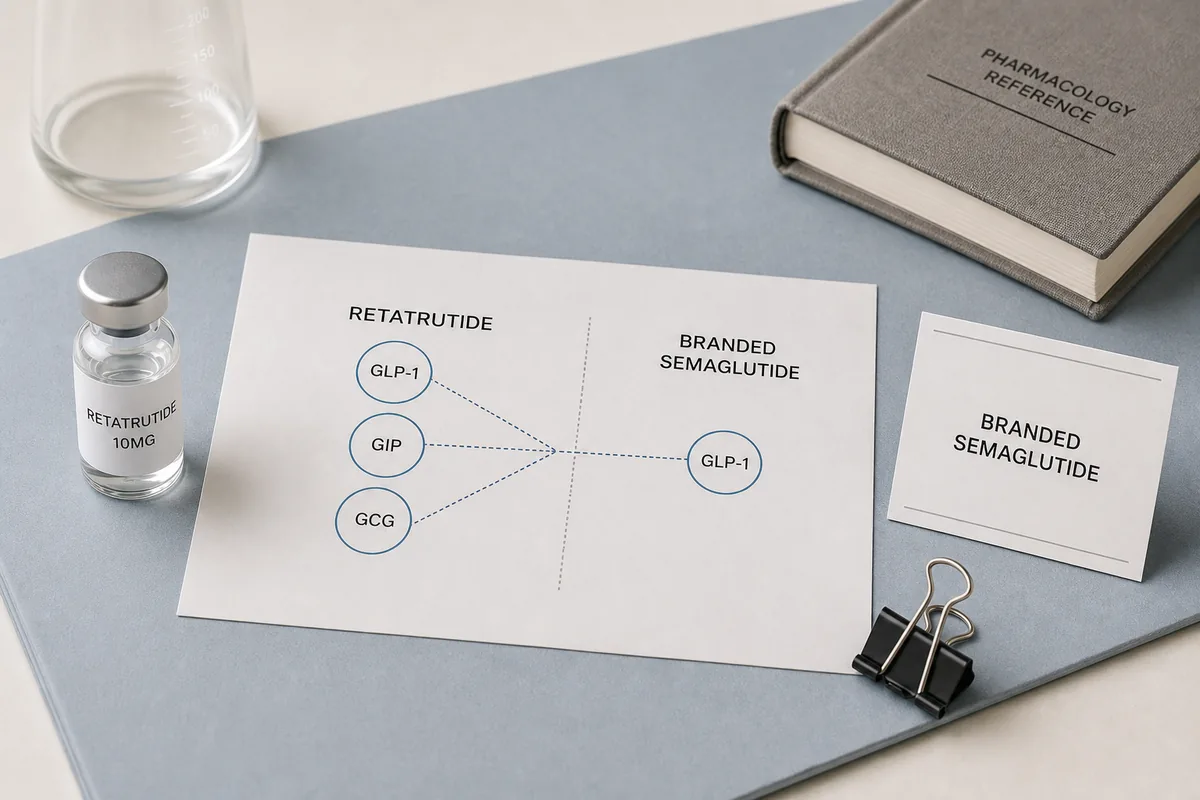
Retatrutide vs Ozempic: Research Compound vs Branded GLP-1
Ozempic is the branded prescription form of semaglutide. Retatrutide is a research-grade triple-agonist peptide. The names sit in different worlds, and the comparison researchers are usually asking is mechanism, not vendor.

Wegovy vs Ozempic: Same Compound, Different Brand Identity
Wegovy and Ozempic share the same active molecule (semaglutide). They are distinct branded products with different indications and dose strengths, but the mechanism is identical.
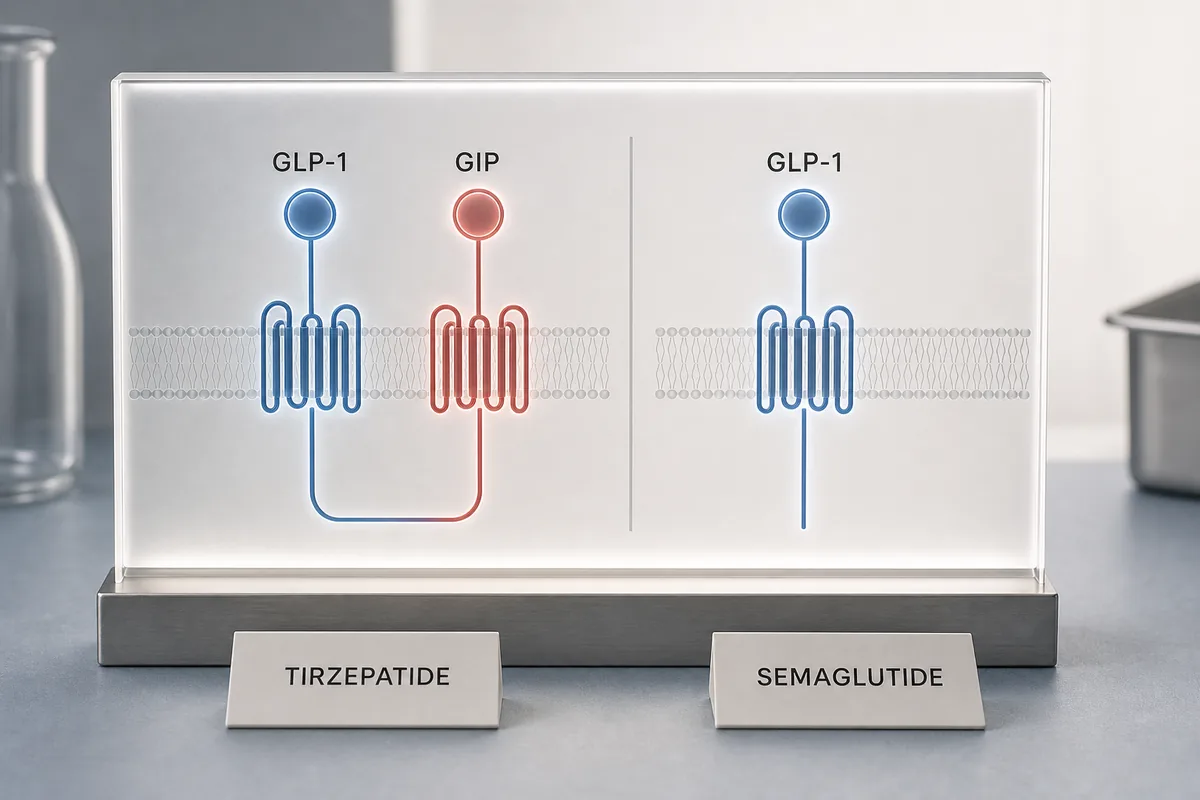
Mounjaro vs Ozempic: Tirzepatide (Dual Agonist) vs Semaglutide (GLP-1)
Mounjaro and Ozempic look like sibling products but contain different molecules. Mounjaro's compound activates two incretin receptors; Ozempic's compound activates one, and that mechanism gap is what actually separates them.
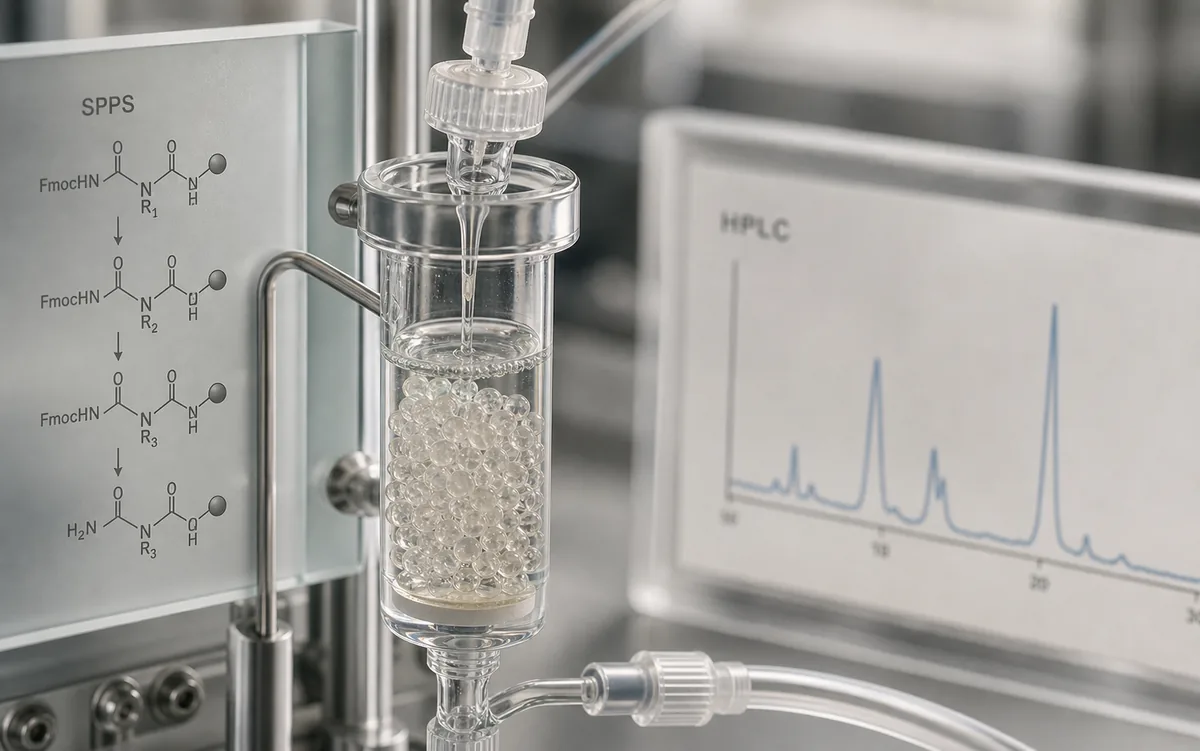
Solid-Phase Peptide Synthesis: How Research-Grade Peptides Are Actually Made
Solid-phase peptide synthesis is the chemistry behind every research peptide in the modern catalog: how the process works, why it governs purity, and how to read a synthesis report on a COA.
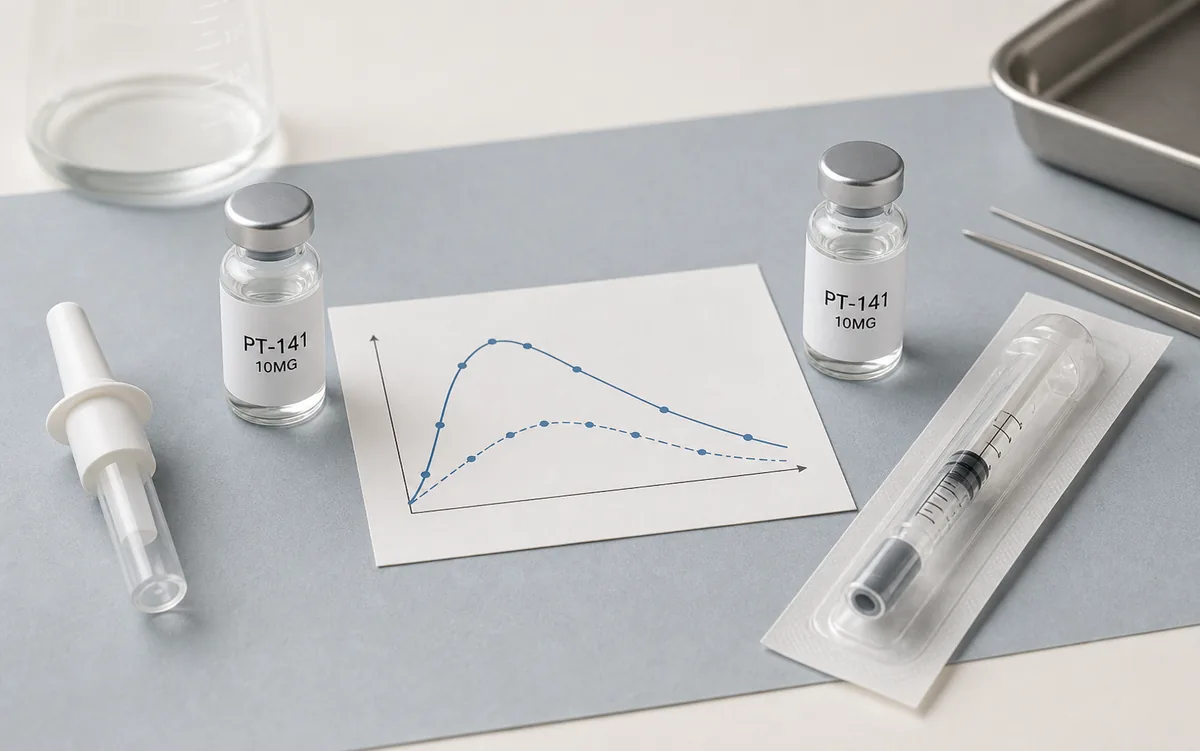
PT-141: Nasal vs Injection Route Pharmacokinetics
PT-141 (bremelanotide) is studied across two delivery routes, intranasal and subcutaneous. The pharmacokinetic profiles diverge, and the choice of route is a research-design variable, not a convenience preference.
GLP-1, GIP, and Glucagon: How Receptor Profile Shapes Research Outcomes
Single-pathway, dual, and triple agonists produce categorically different downstream effects. The receptor profile a molecule activates is the most consequential decision in any modern incretin-mimetic protocol.
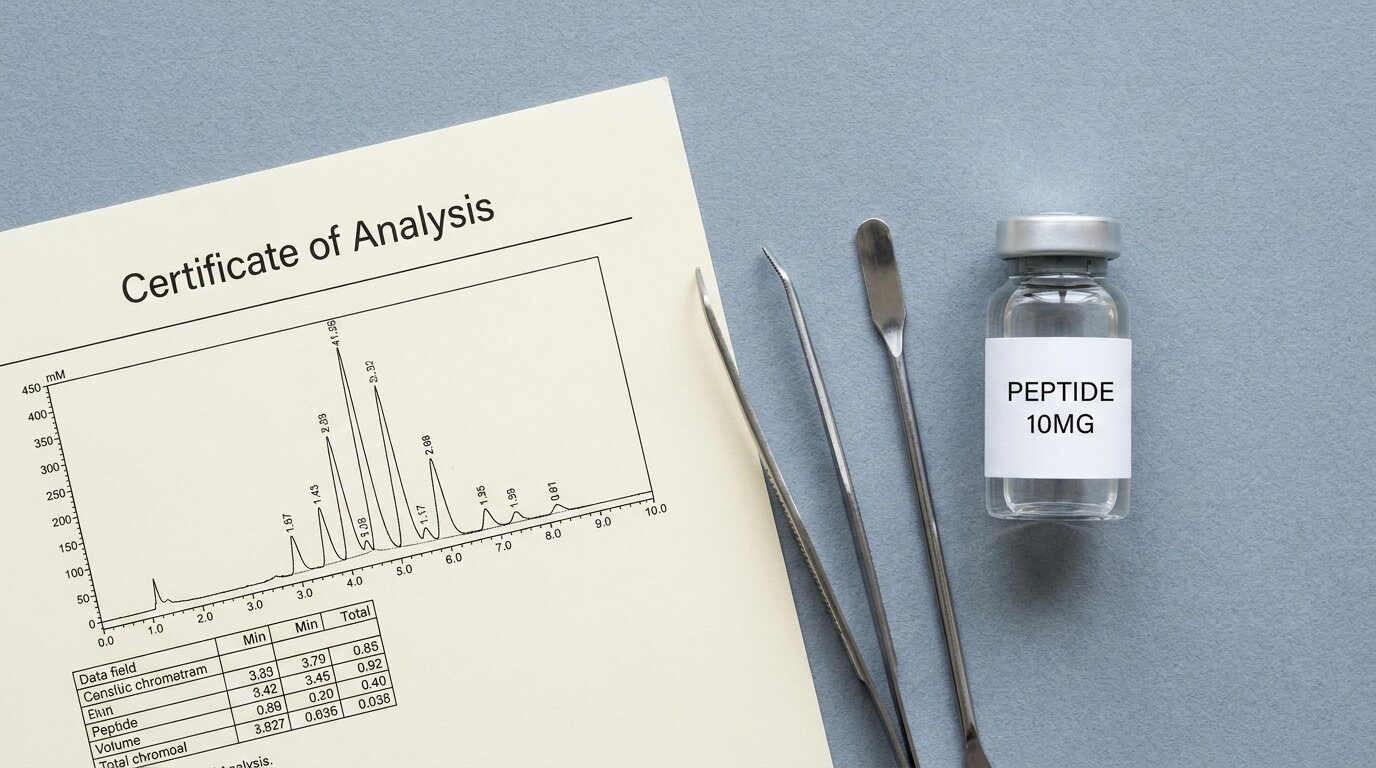
Why Janoshik Analytical: A Researcher's Guide to Independent Lab Verification
Independent third-party verification is the only credible way to certify what's actually in a research-grade peptide vial. Here's why Janoshik is the European reference, and what their COA actually tells you.
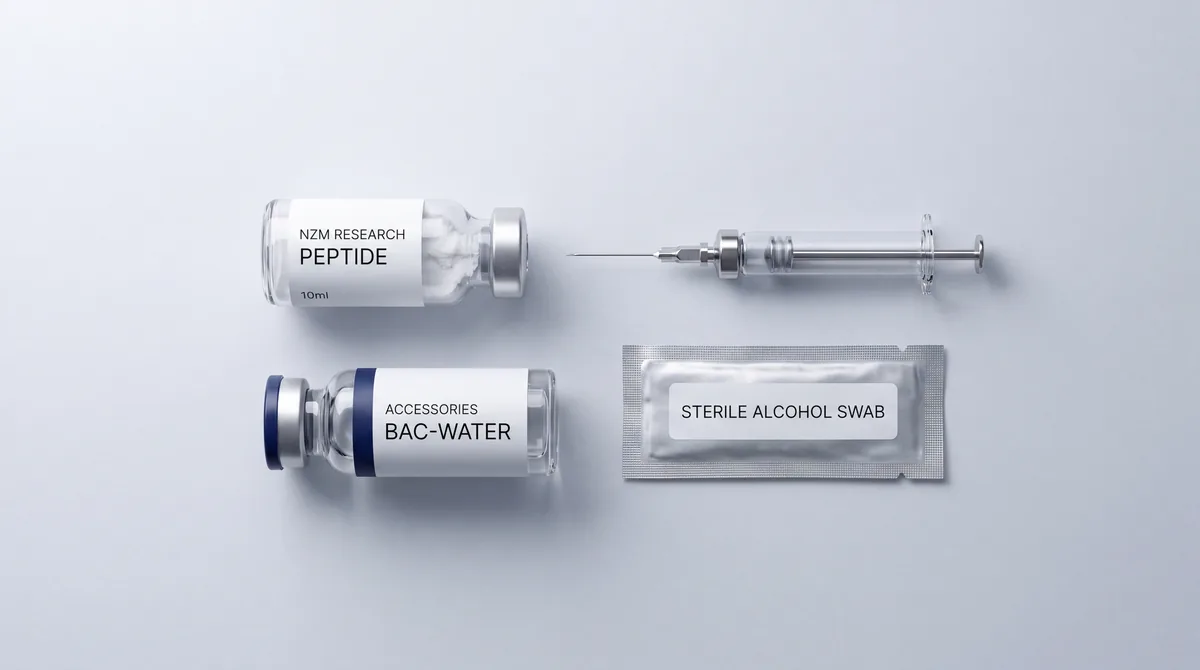
Reconstitution 101: How to Properly Prepare Lyophilized Peptides for Research
A practical lab-handling guide to reconstituting research-grade lyophilized peptides: choice of solvent, technique, post-reconstitution stability, and the operational mistakes that ruin protocol consistency.
Ipamorelin + CJC-1295: Paired GH-Secretagogue Mechanism in Research
Ipamorelin and CJC-1295 (no DAC) are the canonical GH-secretagogue research pairing. The pairing reflects complementary receptor pathways: ghrelin-receptor agonism plus GHRH-receptor agonism, not a single-mechanism stack.
BPC-157 vs TB-500: Single Compounds or the WOLVERINE Blend?
Two of the most-cited tissue-repair peptides cover complementary mechanisms. When does a research protocol benefit from each individually, and when does the WOLVERINE blend make sense?

MOTS-c and the Mitochondrial Communication System
MOTS-c is one of the first-discovered mitochondrially-encoded signaling peptides. Its existence rewrote part of the cell-biology textbook, and its research profile is expanding fast.